
For nearly 30 years, Village Collective has worked alongside Pasifika communities – empowering young people and their families with the knowledge, skills, and confidence to make informed decisions about their health, while navigating life with cultural pride and resilience.
We support talavou (youth) from across our diverse communities, including Maori, Pacific, disabled, rainbow, and gender-diverse young people – ensuring every voice is heard and every pathway to wellbeing is respected and valued.
Located in the heart of South Auckland in Manukau, the Village Collective Clinic is led by Pasifika clinicians who combine clinical expertise with deep cultural knowledge. The clinic provides a safe, culturally responsive space where young people can access wraparound support – from healthcare and mentoring to education, leadership, and employment opportunities.
Our holistic approach nurtures, physical, mental, spiritual, and cultural wellbeing, with services designed and delivered by Pasifika, for Pasifika.
Guided by the belief that prevention is better than cure, our work draws on the Ottawa Charter for Health Promotion – building individual skills, strengthening community action, creating supportive environments, shaping healthy public policy, and reorienting health services.
While our roots are in Sexual Reproductive Health, our mission has grown to embrace the wider determinants of wellbeing. Today, we deliver holistic services – including mental health support, mentoring,leadership development, healthy relationships, and cultural connection – ensuring talavou thrive in every aspect of life.
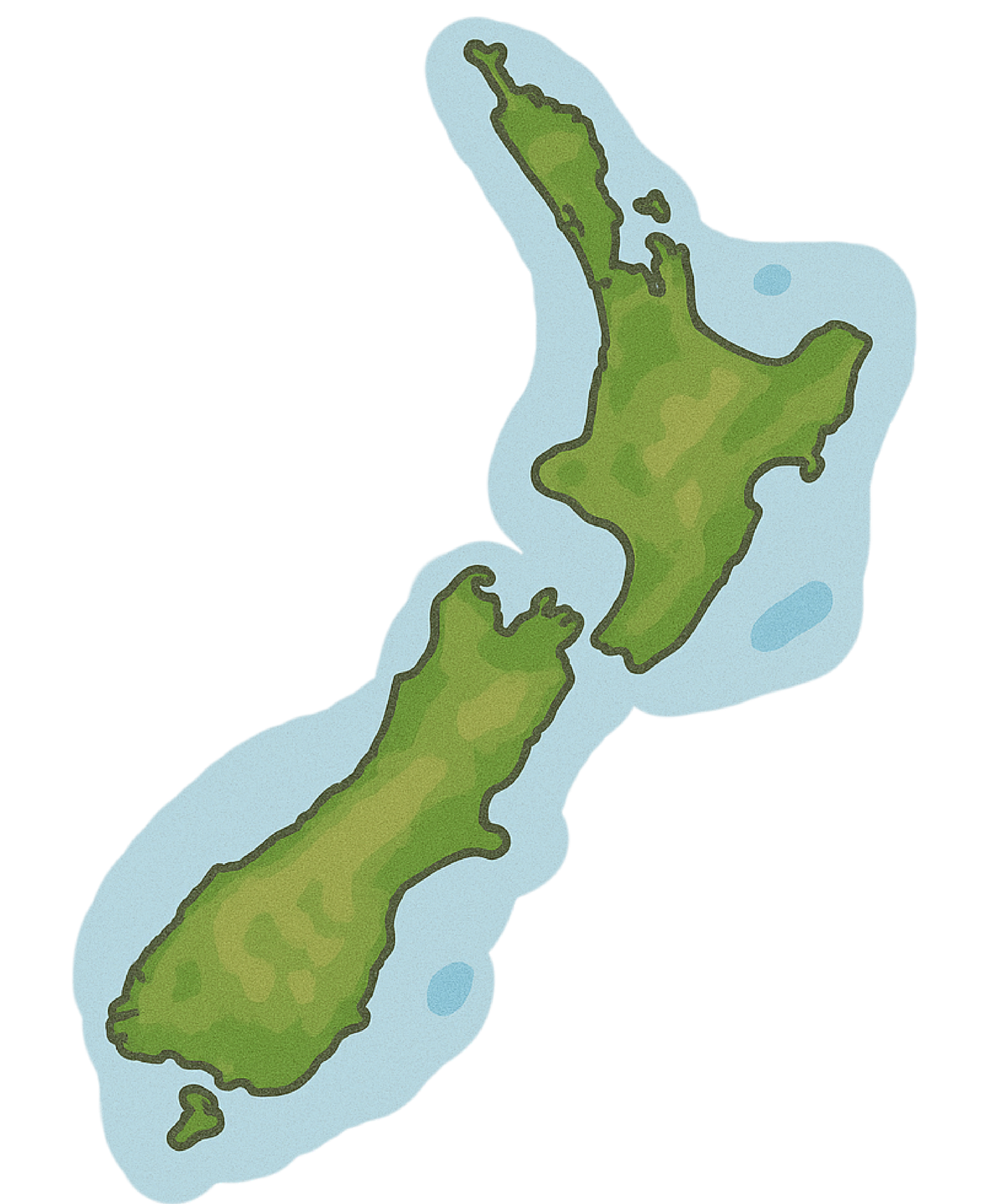
(Maori), In Maori, ‘tino rangatiratanga’ translates to ‘absolute sovereignty’ or ‘self-determination’, and is a fundamental concept in the context of Maori culture and the Te Tiriti o Waitangi. It signifies the right and authority of Maori to govern their own people, land, and resources according to their customs and laws. Culturally, tino rangatiratangi is linked to the value of commitment to Maori autonomy and upholding the spirit of the Treaty. It highlights a deep commitment to preserving Maori culture, traditions, and rights, while ensuring future generations can maintain their identity and connections to the land.
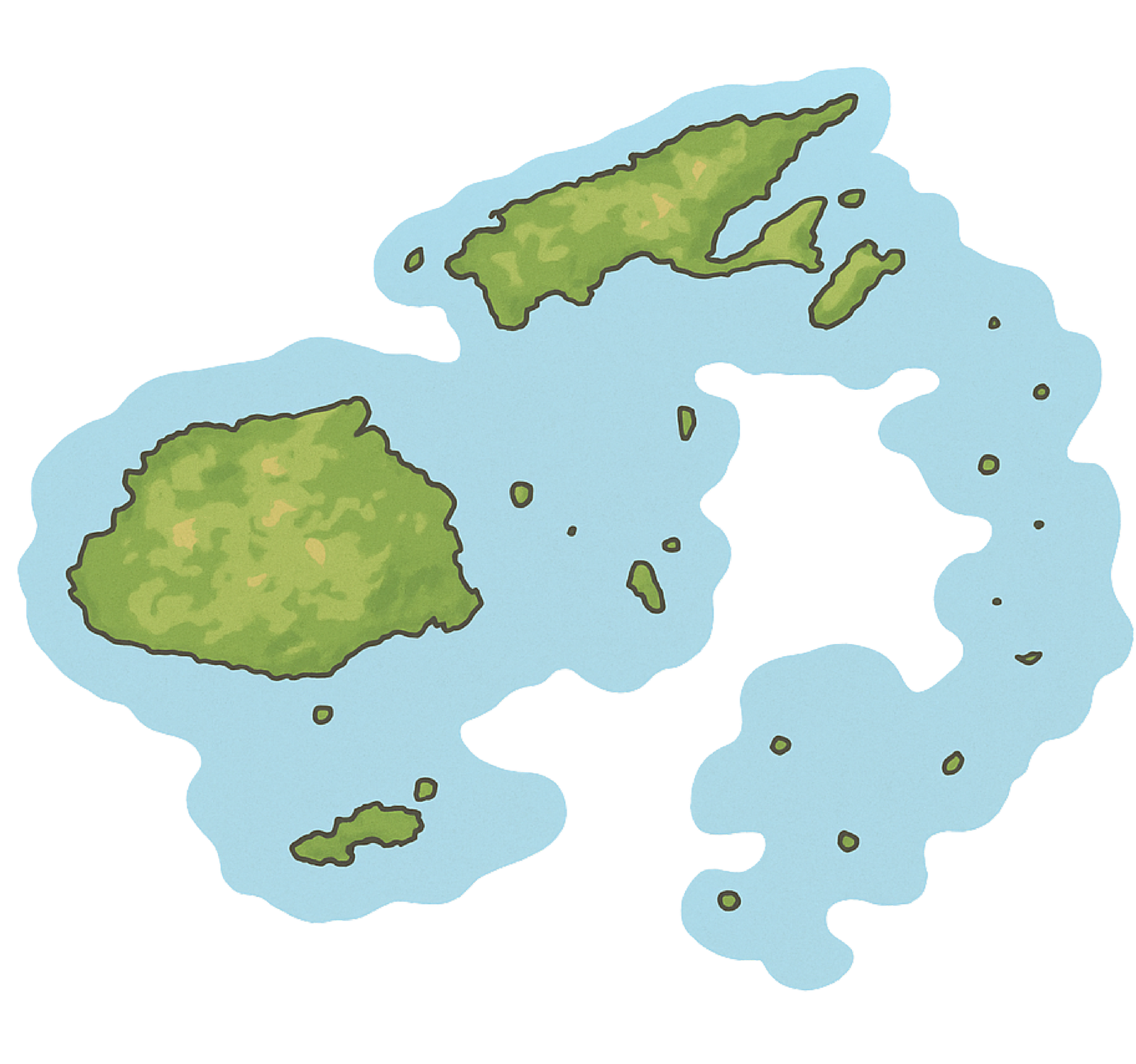
(Fijian). In Fijian, ‘Vanua’ refers to the land, the people, and the environment, representing a deep connection to one’s heritage, culture, and community. It embodies the concept of identity, as it signifies not only physical space but also the spiritual and cultural ties that define who a person is, shaping their values, responsibilities, and relationships within the community.
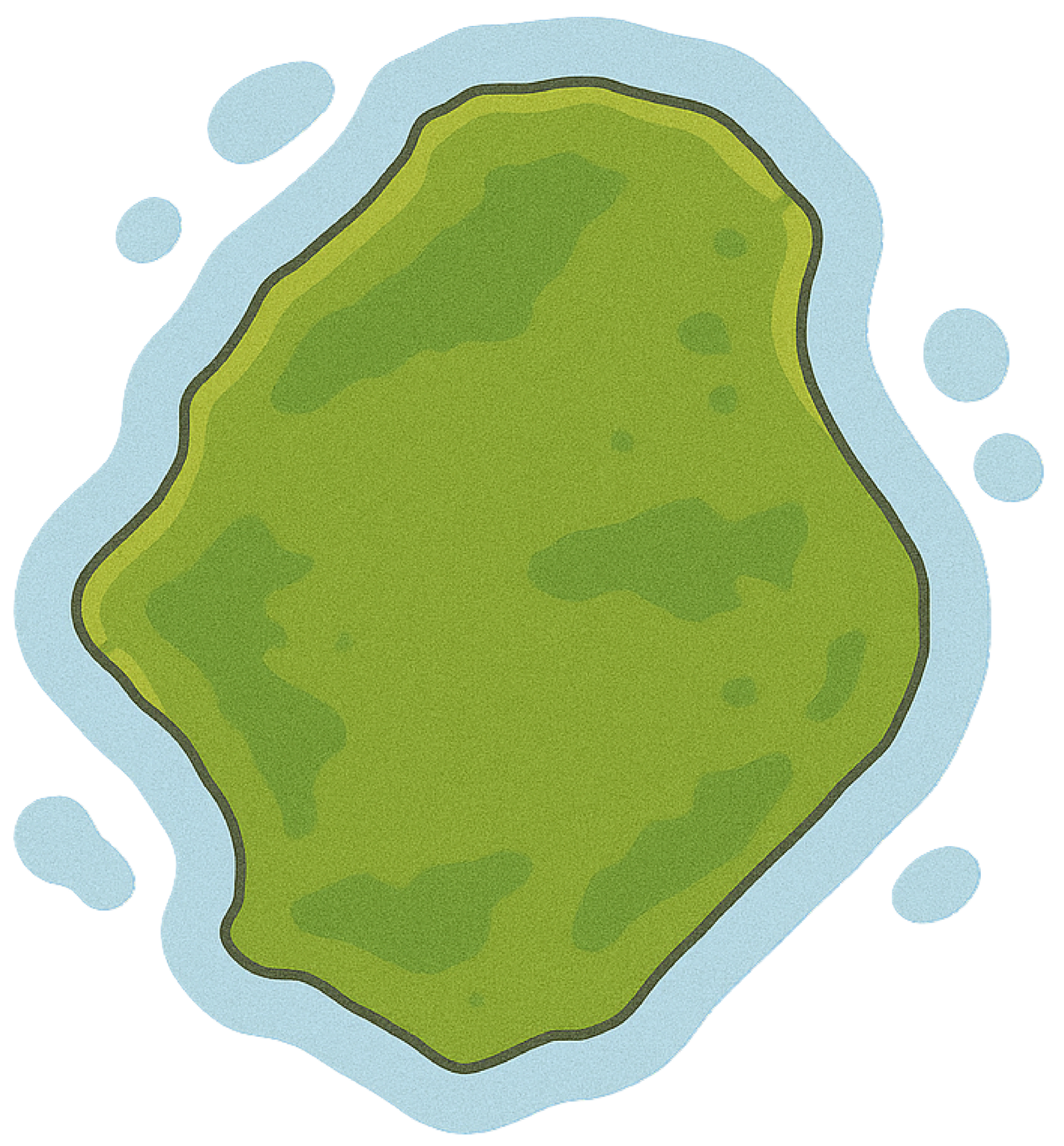
(Niuean). In the Niuean culture, Fakamalie carries a deeper meaning than just a simple apology. It reflects key values of respect, humility, and maintaining harmony within the community. Niuean culture places a strong emphasis on relationships, community well-being, and avoiding conflict. When someone says ‘fakamalie’, it is not just about admitting mistake – it is about acknowledging the impact of one’s actions on others and restoring balance in relationships.
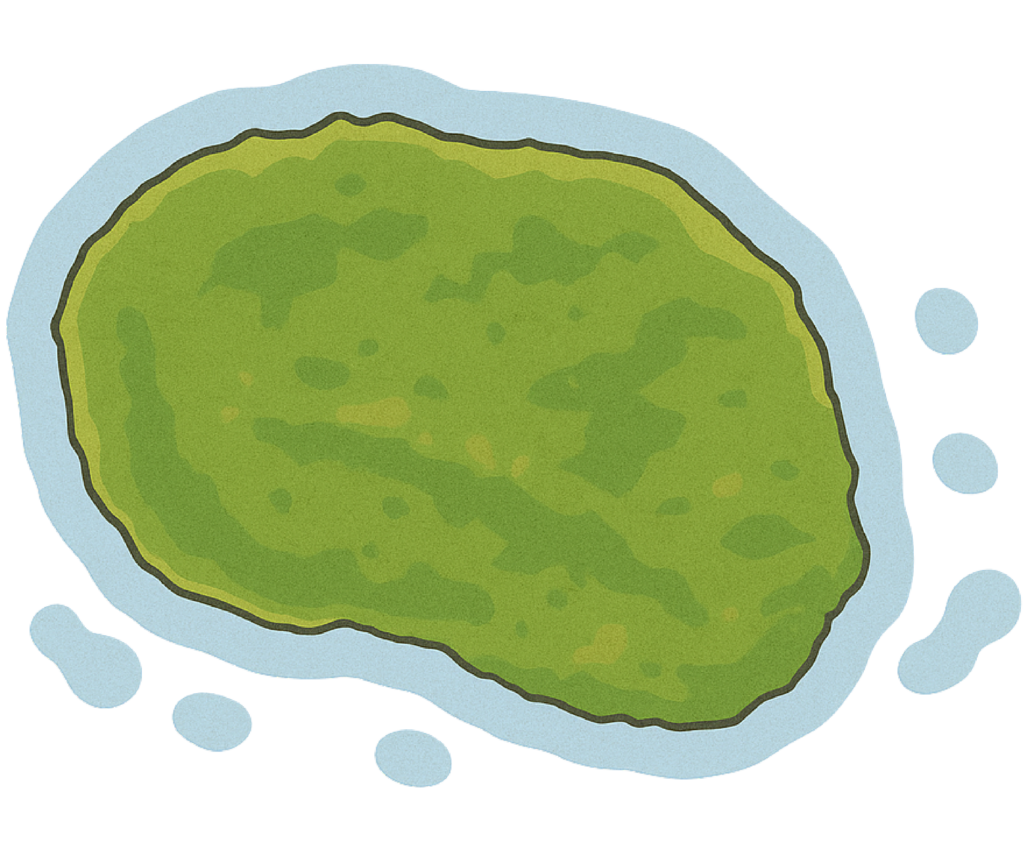
(Cook Island). In Cook Islands Maori, ‘Pūkenga’ refers to skills, knowledge, and wisdom, but in a cultural context, it also embodies the idea of personal integrity. It signifies not just proficiency, but the moral strength and ethical principles one upholds. Pukenga is about being reliable, honest and trustworthy, reflecting a commitment to doing what is right and maintaining a sense of responsibility within the community.
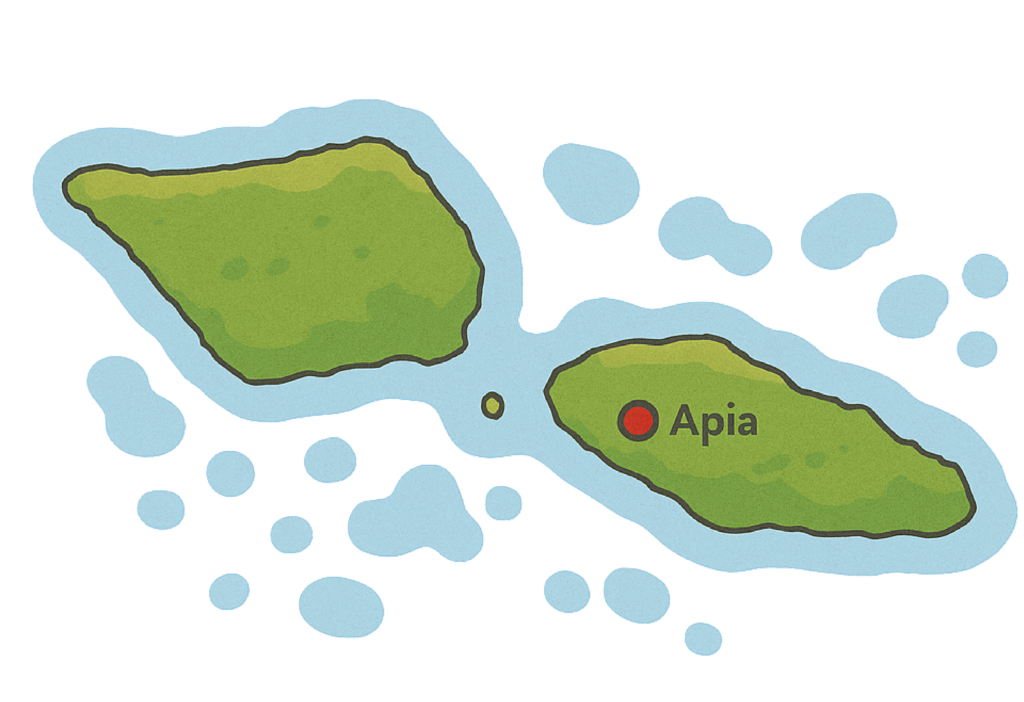
(Samoan). In Samoan culture, ‘Alofa’ means ‘Love’, holding a deeper cultural significance. It represents unconditional care, compassion, and sacrifice within family and community. Alofa is a central value in Samoan life, embodying both love for others and the responsibility to support and nurture relationships, especially in times of need. It emphasizes selflessness and unity, forming the foundation of strong familial bonds and social harmony.
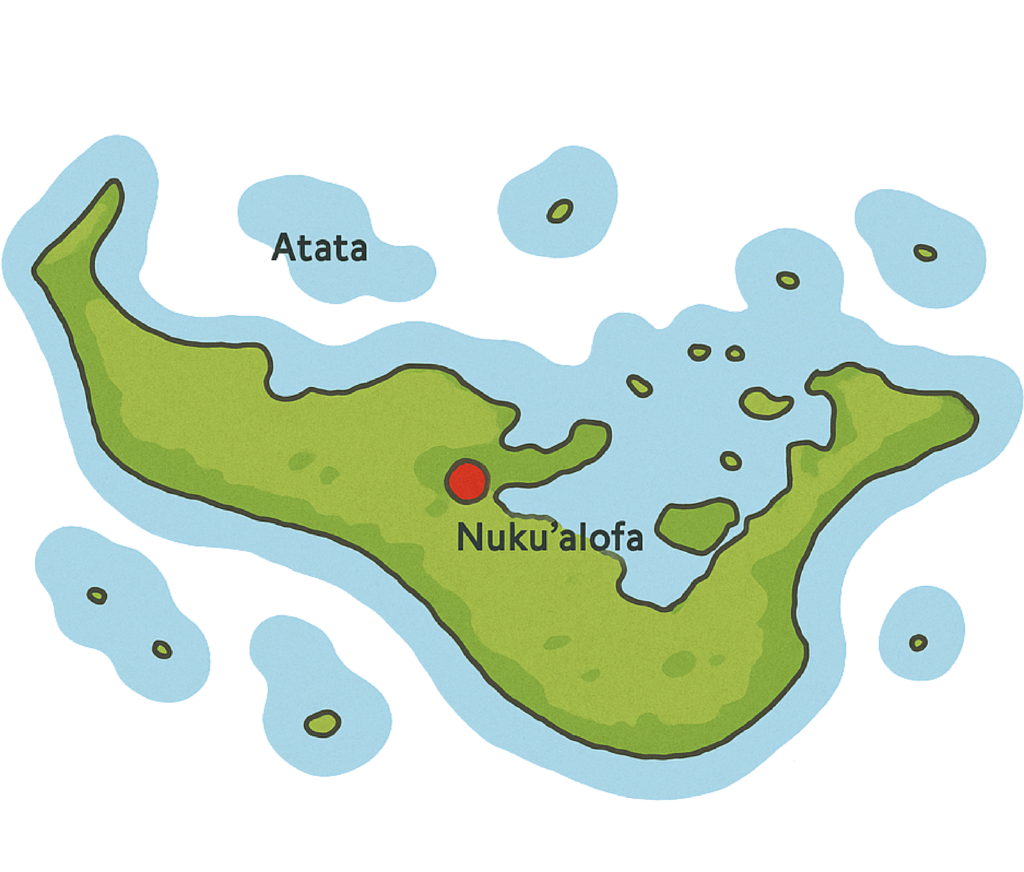
(Tonga), In Tongan, ‘Faka’apa’apa’ means to show respect, honor, or reverence. In the cultural context, it signifies a deep-rooted value of acknowledging the dignity of others, particularly elders, leaders, and family. It emphasizes humility, politeness, and the importance of maintaining harmonious relationships within the community. Faka’apa’apa is a key expression of respect, guiding behavior and fostering social cohesion.
Established in 1997, the organisation—then known as Family Life Education Pasefika (FLEP) Services—was created to provide sexual and reproductive health education across schools, churches, sports clubs, alternative education providers, and community groups. Over time, our services expanded to include mental health support, mentoring, healthy relationships, and leadership development. In 2013, the organisation rebranded and began operating as Village Collective.
Our mission extends beyond education. We aim to empower young people to take ownership of their wellbeing while developing an understanding of the world around them. We foster meaningful conversations within homes and communities, recognising that when young people are informed and supported, they share that knowledge with their families—strengthening relationships and building intergenerational trust.
Our programmes are delivered through three key focus areas, or Fale, reflecting our culturally responsive and relational approach:
“Fales within a village” is a deeply Pacific concept—relational, interconnected, and rooted in identity. A fale is more than a physical structure; it is a living space of connection, ceremony, and collective decision-making. Each fale within Village Collective serves a distinct purpose, yet none operates in isolation.
Like stars in a constellation, they form an ecosystem grounded in reciprocity, shared responsibility, and va—the sacred space between people, places, and purpose.
He/Him | Chairman
He/Him | Board Secretary
He/Him | Board Trustee
She/Her | Board Treasurer