Leave a message and we will get back to you as soon as possible.
Delivered through Talavou Fale, Navig8 is a Pasifika-led sexual and reproductive health and youth development program that supports rangtahi to build knowledge, confidence, and practical skills to make informed decisions about their bodies, relationships, identity, and wellbeing. Grounded in the Fonofale Framework, the programme recognises that wellbeing is holistic and interconnected - shaped by family, culture, spirituality, environment, mental wellbeing, and physicall health.
Navig8 creates safe, culturally grounded spaces where young people can engage in open talanoa, strengthen their sense of belonging, and develop tools to navigate life with confidence. Sessions are interactive, strengths-based, and youth-centered, incorporating creative activities, movement, psychodrama, reflective discussions, role play, and collaborative learning approaches to ensure learning remains engaging and relevant for rangatahi.
Our programmes are co-designed with communities and informed by: The New Zealand Health & Physical Education Curriculum - Relationships & Sexuality Education (RSE) Guidelines - Fonofale Framework (Fuimaono Dr Karl Pulotu-Endemann) - Pacific youth development and wellbeing frameworks - Community voice, lived experience, and Pacific values Programmes continue to evolve through ongoing talanoa, lived experience, community feedback, emerging wellbeing needs, and collaborative relationships with young people, families, schools, and communities.
Navig8 supports young people to: - Strengthen identity, confidence, and cultural connection - Build healthy relationships and communication skills - Increase sexual and reproductive health literacy - Develop leadership, resilience, and decision-making skills - Navigate peer pressure and social influences - Strengthen emotional wellbeing and help-seeking behaviours - Build digital safety awareness and critical thinking - Connect with trusted supports, services, and community
The programme aligns with key areas of the Health & Physical Education Curriculum including: - Hauora and holistic wellbeing - Relationships with others - Identity, culture, and belonging - Health promotion - Mental, emotional, and social wellbeing - Interpersonal and self-management skills - Critical thinking and decision-making
The programme strengthens protective factors including identity, belonging, cultural connection, resilience, emotional wellbeing, leadership, healthy relationships, and confidence in help-seeking and accessing support. Navig8 can also be adapted to support NCEA Health & Physical Education learning outcomes through identity exploration, wellbeing, social influences, communication, leadership, and health promotion approaches.
Age-appropriate learning supporting identity, relationships, body awareness, respect, and foundational sexual and reproductive health knowledge through a culturally grounded Pacific-first approach.
Age Group: Years 5 – 8
Delivery: In-school
Session Duration: 45 mins – 1 hour
Youth development and sexual health programme supporting rangatahi to explore consent, identity, relationships, wellbeing, and life-positive decision-making.
Age Group: Years 9 – 13
Delivery: In-school
Session Duration: 45 mins – 1 hour
Community-based programme creating safe spaces for Pacific young people to build friendships, strengthen identity, leadership, wellbeing, and cultural connection through talanoa and activities.
Age Group: Ages 12 – 24
Delivery: Churches, Community / Youth Groups
Session Duration: 2 – 3 hours
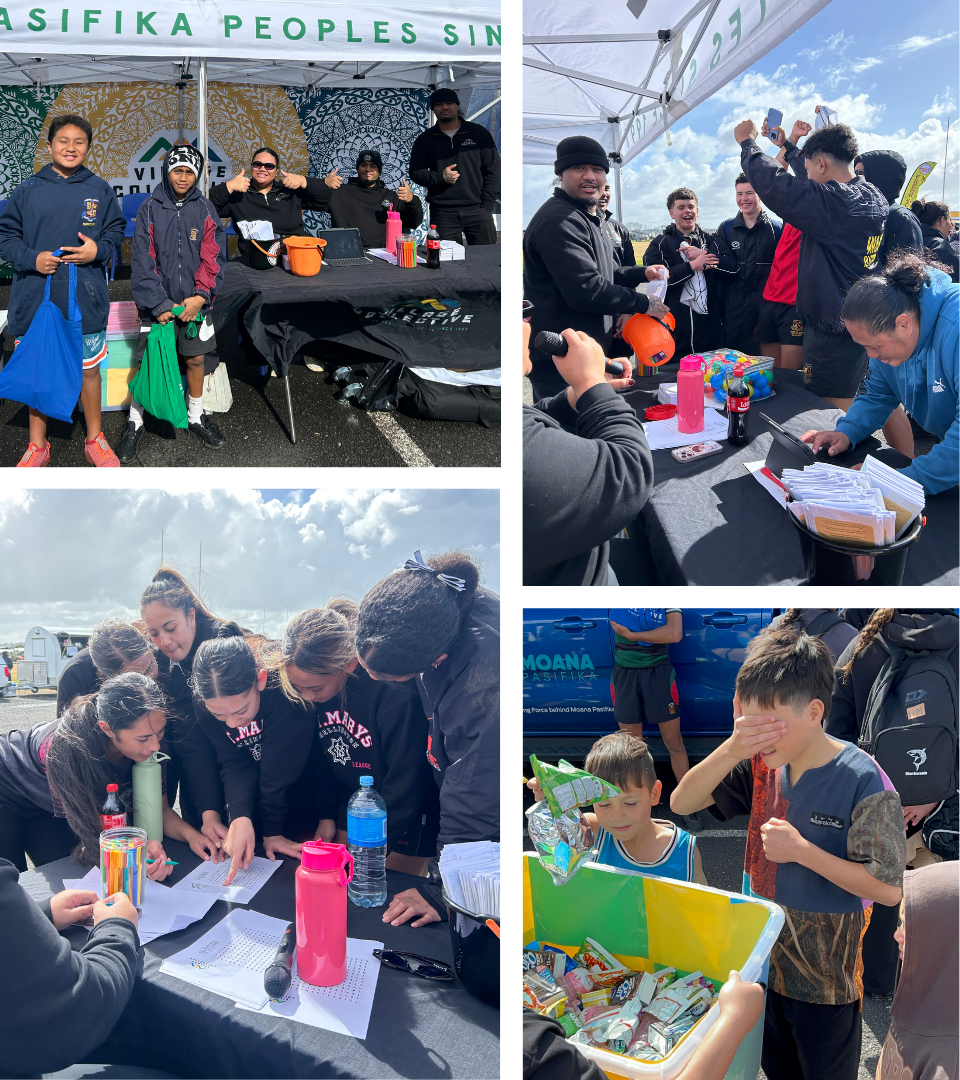
Interactive outreach activations delivered at festivals, events, and community spaces promoting youth wellbeing, health literacy, and service connection.
Age Group: All ages
Delivery: Community Events
Session Duration: Duration of respective event
Navig8 can also be adapted to support NCEA Health & Physical Education learning outcomes through identity exploration, wellbeing, social influences, communication, leadership, and health promotion approaches.
Students explore identity, belonging, cultural pride, values, traditions, and self-expression through storytelling, movement, art, and talanoa
Supports young people to reflect on the people, values, experiences and communities that shape who they are while building connection and respect for others.
Introduces Pacific wellbeing frameworks including Fonofale and the concept of Vā, helping students understand the importance of family, culture, relationships, spirituality, mental wellbeing, and environment.
Explores bullying, empathy, inclusion, and respectful behaviour through the ALOFA framework while strengthening confidence to respond safely to harmful behaviour.
Supports students to identify trusted adults, support systems, coping strategies, and ways to seek help safely and confidently.
Delivered in gender-split groups with gender-split facilitators, students explore the emotional, physical, social, and mental changes that occur during puberty.
Introduces reproductive systems, hygiene, hormones, body changes, and emotional wellbeing using age-appropriate and factual learning approaches.
Students learn about internal and external reproductive anatomy and body systems through interactive and collaborative activities.
Students explore menstrual products, body literacy, and period wellbeing while reducing stigma and building understanding and confidence.
Students explore empathy, respect, kindness, and diversity while strengthening understanding of healthy relationships and positive community behaviour.
Explores communication styles, healthy friendships, peer pressure, conflict resolution, and respectful communication through role play and collaborative activities.
Students explore cyberbullying, digital footprints, scams, respectful online behaviour, and safe communication in digital spaces.
Navig8 for Year 9 – 13 supports rangatahi to critically explore identity, consent, relationships, sexual health, masculinity, leadership, emotional wellbeing, and social influences through youth-led talanoa, role play, psychodrama, movement, and interactive activities.
Explores identity, belonging, cultural pride, values, migration stories, genealogy, and Pacific worldviews while strengthening confidence and connection.
Supports rangatahi to critically reflect on who they are, what shapes them, and how relationships, values, culture, and lived experiences influence identity.
Students explore Pacific wellbeing through Fonofale and the concept of Vā, strengthening understanding of balance, relationships, and holistic wellbeing.
Explores emotions, peer pressure, relationships, expectations, boundaries, and protective strategies that support emotional wellbeing and healthy decision-making.
Students critically explore privilege, bias, inclusivity, opportunity, and social systems while reflecting on ways to uplift and support others.
Explores leadership, respect, communication, and relational responsibility through Pacific concepts such as Teu le Vā, Tausi le Vā, and Soli le Vā.
Delivered in gender-split groups with gender-split facilitators, students explore the emotional, physical, social, and mental changes that occur during puberty.
Introduces reproductive systems, hygiene, hormones, body changes, and emotional wellbeing using age-appropriate and factual learning approaches.
Students learn about internal and external reproductive anatomy and body systems through interactive and collaborative activities.
Students explore menstruation, menstrual products, body literacy, and period wellbeing while reducing stigma and building understanding and confidence.
Students critically explore privilege, bias, inclusivity, opportunity, and social systems while reflecting on ways to uplift and support others.
Explores leadership, respect, communication, and relational responsibility through Pacific concepts such as Teu le Vā, Tausi le Vā, and Soli le Vā.
Students explore healthy relationships, communication, boundaries, consent, trust, and the Pacific concept of Vā through talanoa, role play, and real-life scenarios.
Students critically explore masculinity, stereotypes, emotional wellbeing, consent, and respectful behaviour while developing healthier understandings of what it means to be a man.
Students critically explore pornography, media influence, consent, relationships, unrealistic expectations, and Pacific values around intimacy and respect.
Introduces consent through the Pacific FALAI model: Foa'i atu - Freely Given, Aveeseina - Reversible, Lalaga - Informed, Avatu Fiafia - Enthusiastic Yes, Iloa Lelei - Specifics.
An affirming and culturally safe session supporting MVPFAFF+, LGBTQIA+, and rainbow+ young people through learning around identity, relationships, protection, consent, and testing.
Students explore contraception, STIs, consent, condom use, and healthy sexual decision-making through interactive games and demonstrations.
Builds sexual health literacy around contraception options, STI prevention, testing, condoms, consent, and communication.
Explores inclusive sexual health knowledge including: PrEP, PEP, U=U, STI prevention, Safe sex practices, Inclusive health information for LGBTQIA+ communities.
Supports rangatahi to explore pressure, identity, future planning, confidence, success, educational pathways, work, and long-term thinking.
Students critically explore gambling harms, addiction, financial wellbeing, peer pressure, and protective factors.
Explores online identity, social media influence, cyber safety, digital wellbeing, communication, and critical thinking.
Explores addiction, vaping, smoking, social pressure, decision-making, and protective strategies through interactive learning.
Encourages young people to reflect on aspirations, wellbeing, routines, habits, leadership, and future planning through practical tools and goal-setting activities.